Eyes
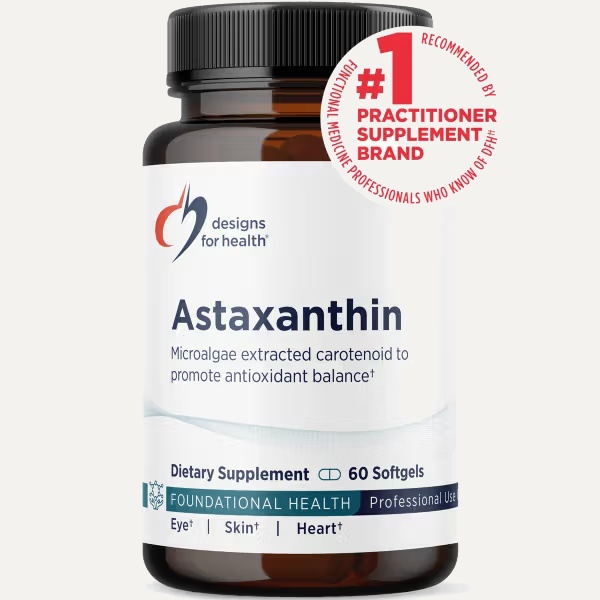
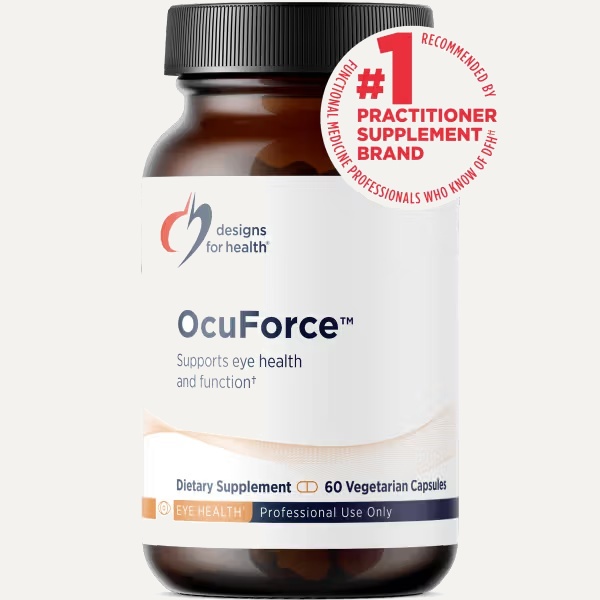
The eyes depend on specific antioxidants and fatty acids that the body doesn't always get in sufficient amounts through diet. Lutein, zeaxanthin and omega-3 are among the most studied substances for supporting normal eye function, particularly with heavy screen use or increasing age.
Frequently asked questions
Does lutein help with screen-tired eyes?
Lutein and zeaxanthin are studied for their role in filtering harmful blue light and supporting normal eye function, making them relevant during heavy screen use.
Are carrots enough for good eye health?
Carrots contribute vitamin A, but lutein and zeaxanthin (which are more specifically linked to the eye's retina) occur in higher concentrations in dark leafy greens and egg yolk.
Is omega-3 relevant for eye health?
Yes, omega-3 fatty acids are part of the eye's retina and are studied for their role in normal eye function, beyond the better-known link to cardiovascular health.