Omega-3
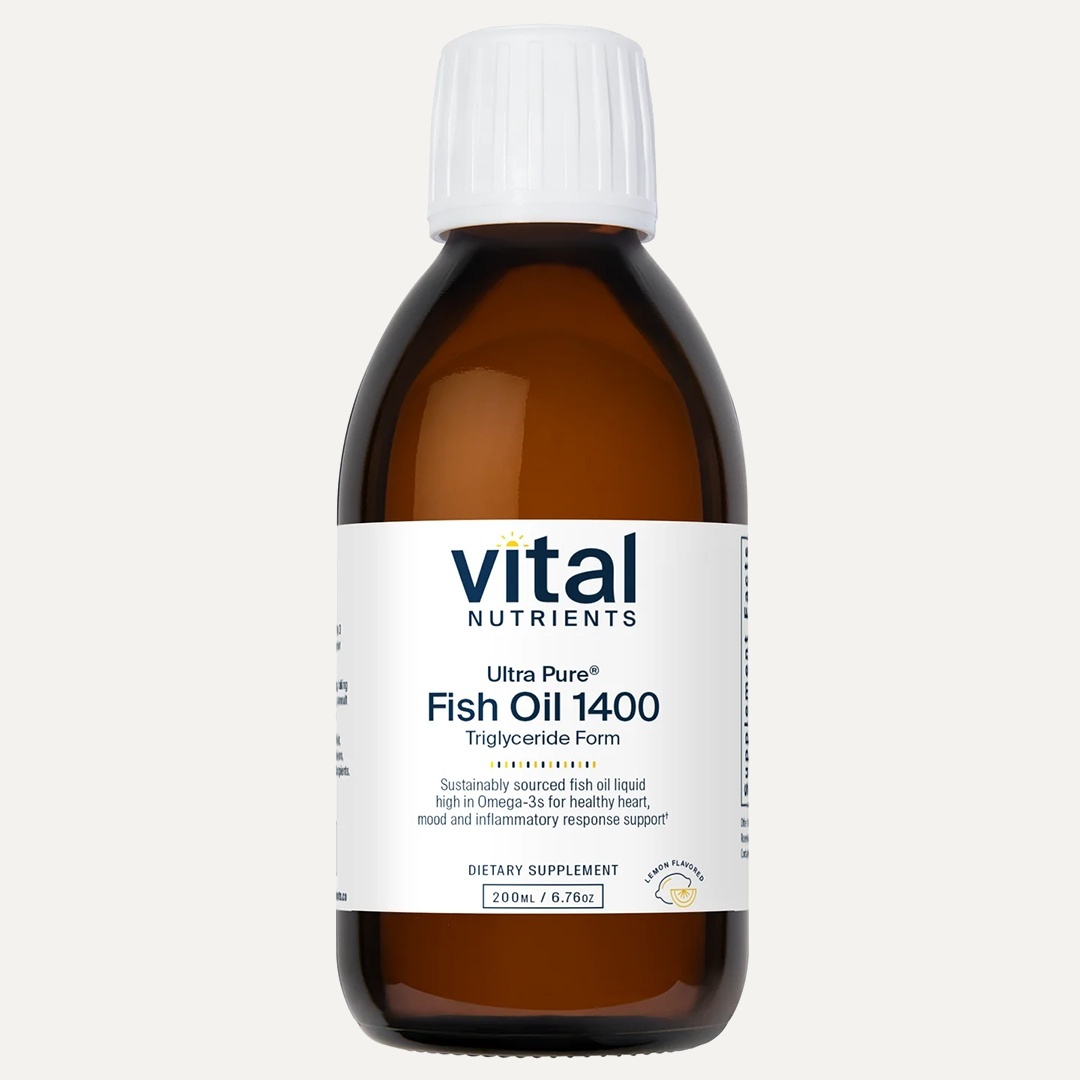
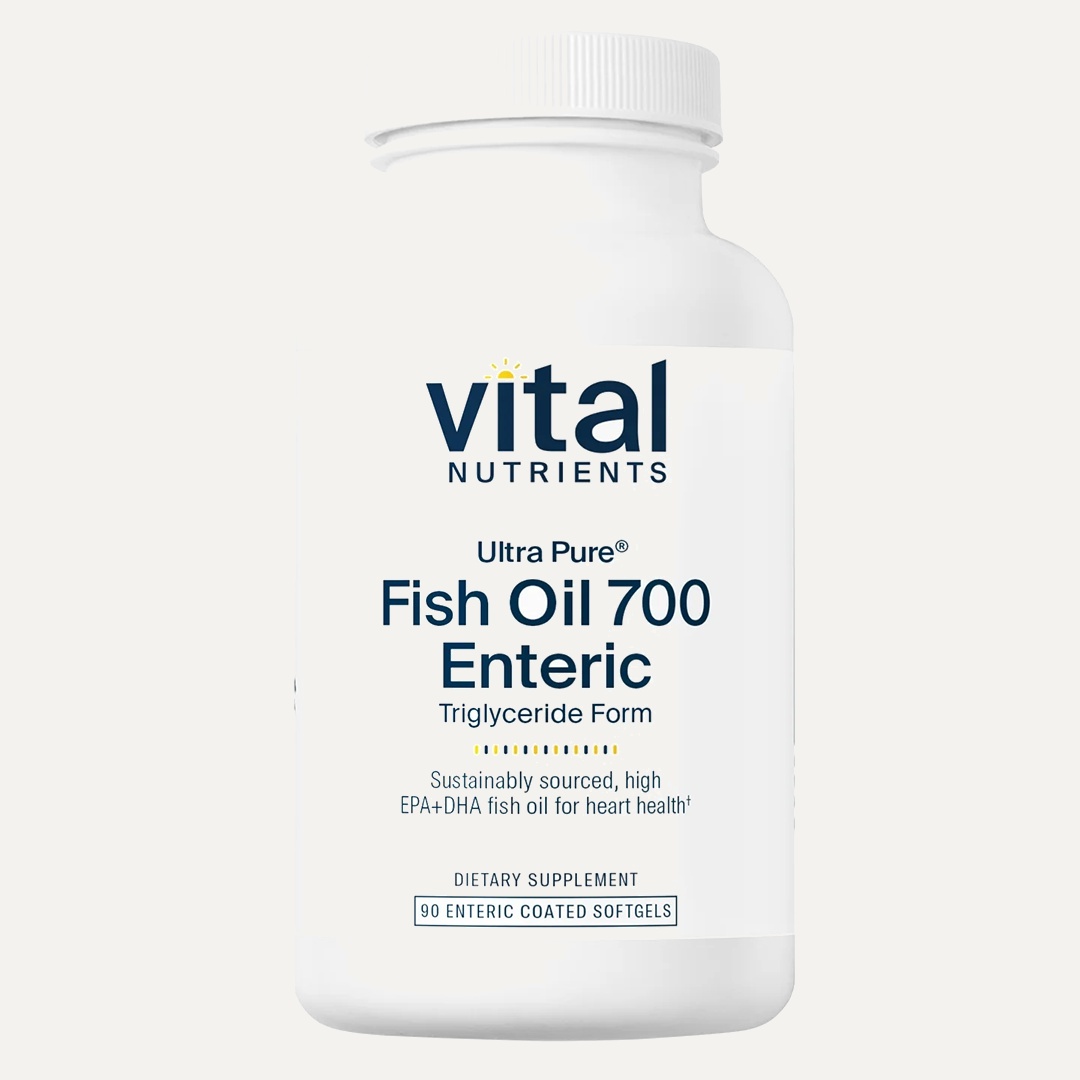
Omega-3 fatty acids are polyunsaturated fats that the body cannot produce on its own and must therefore obtain through diet or supplements. The most common forms, EPA and DHA, are found mainly in oily fish and fish oil. Omega-3 plays a central role in the structure of cell membranes and is important for brain function, heart health and the body's regulation of inflammation. The need may be elevated in people with low fish intake, during pregnancy and in the elderly.
B vitamins
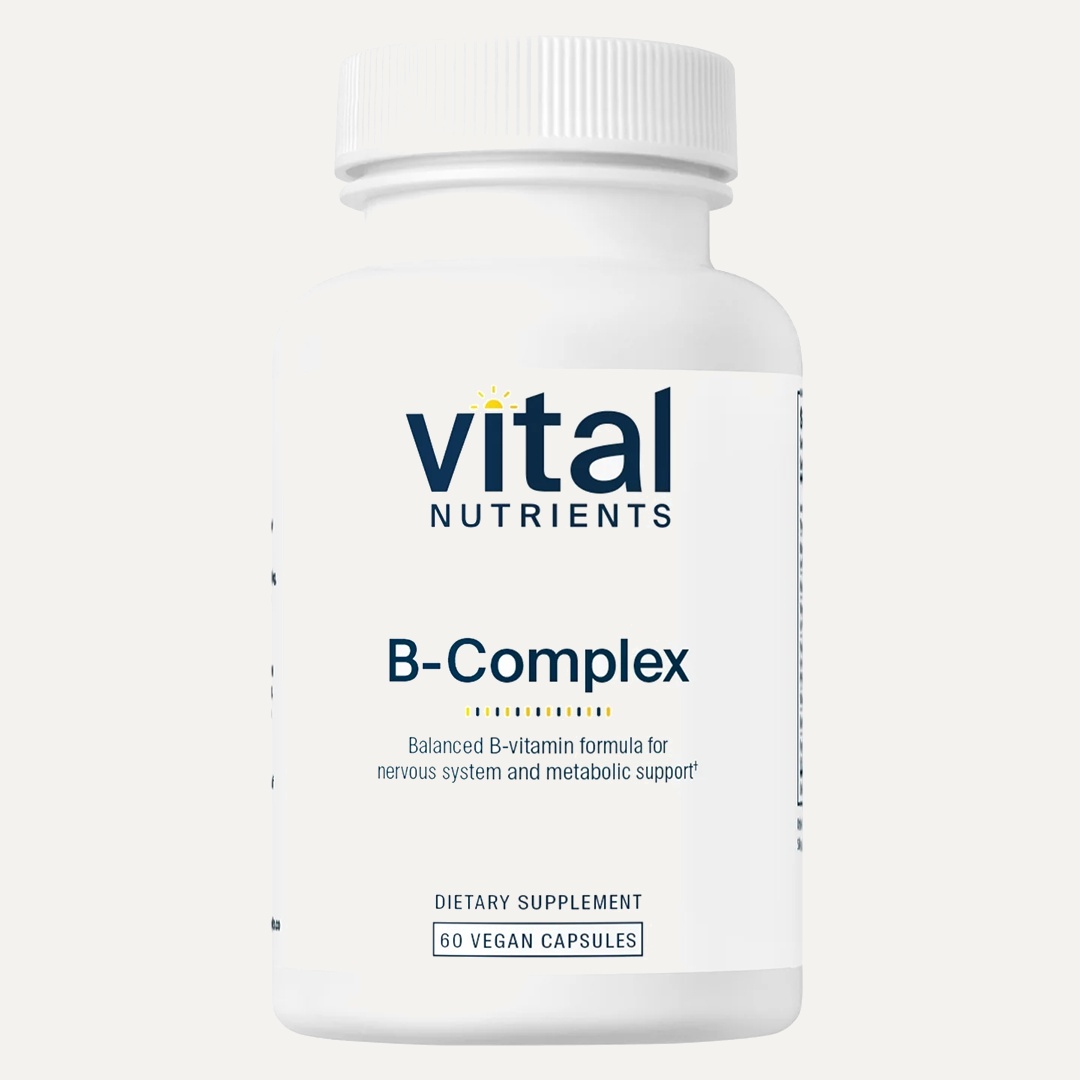
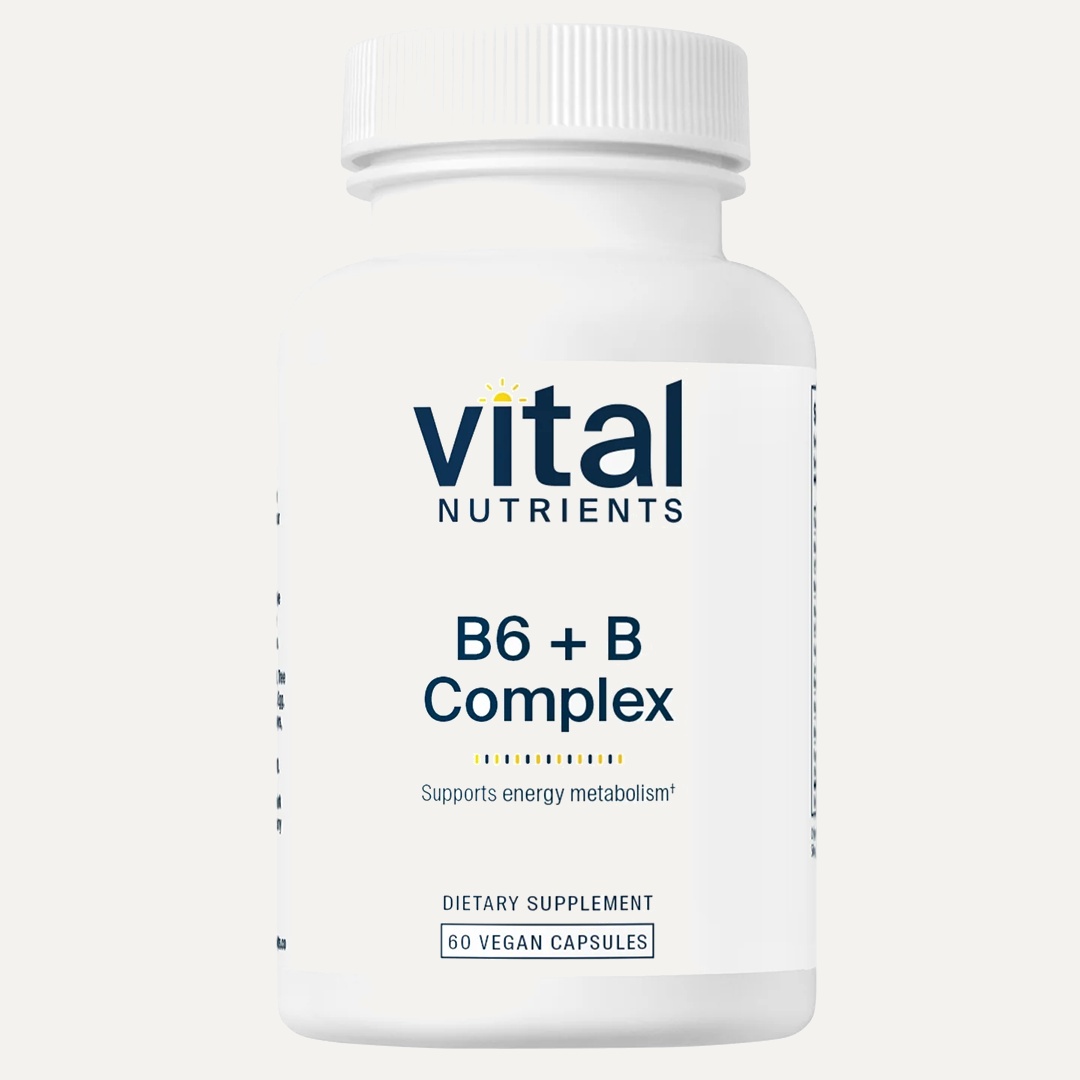
The B vitamins are a group of eight water-soluble vitamins, each serving specific functions in metabolism. Among other things, they take part in energy production, the formation of red blood cells, DNA synthesis and the function of the nervous system. Because they are water-soluble, they are not stored in the body in any appreciable amount, which makes regular intake important. Vegans, the elderly and people with certain gastrointestinal conditions are at increased risk of deficiency, especially of B12.
Vitamin D
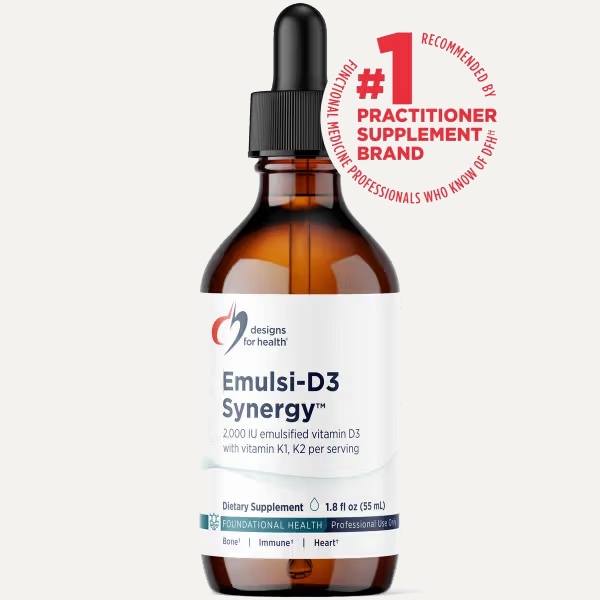
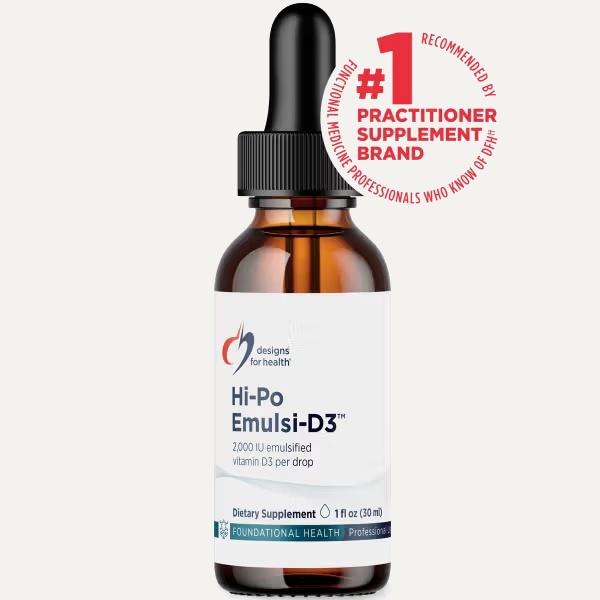
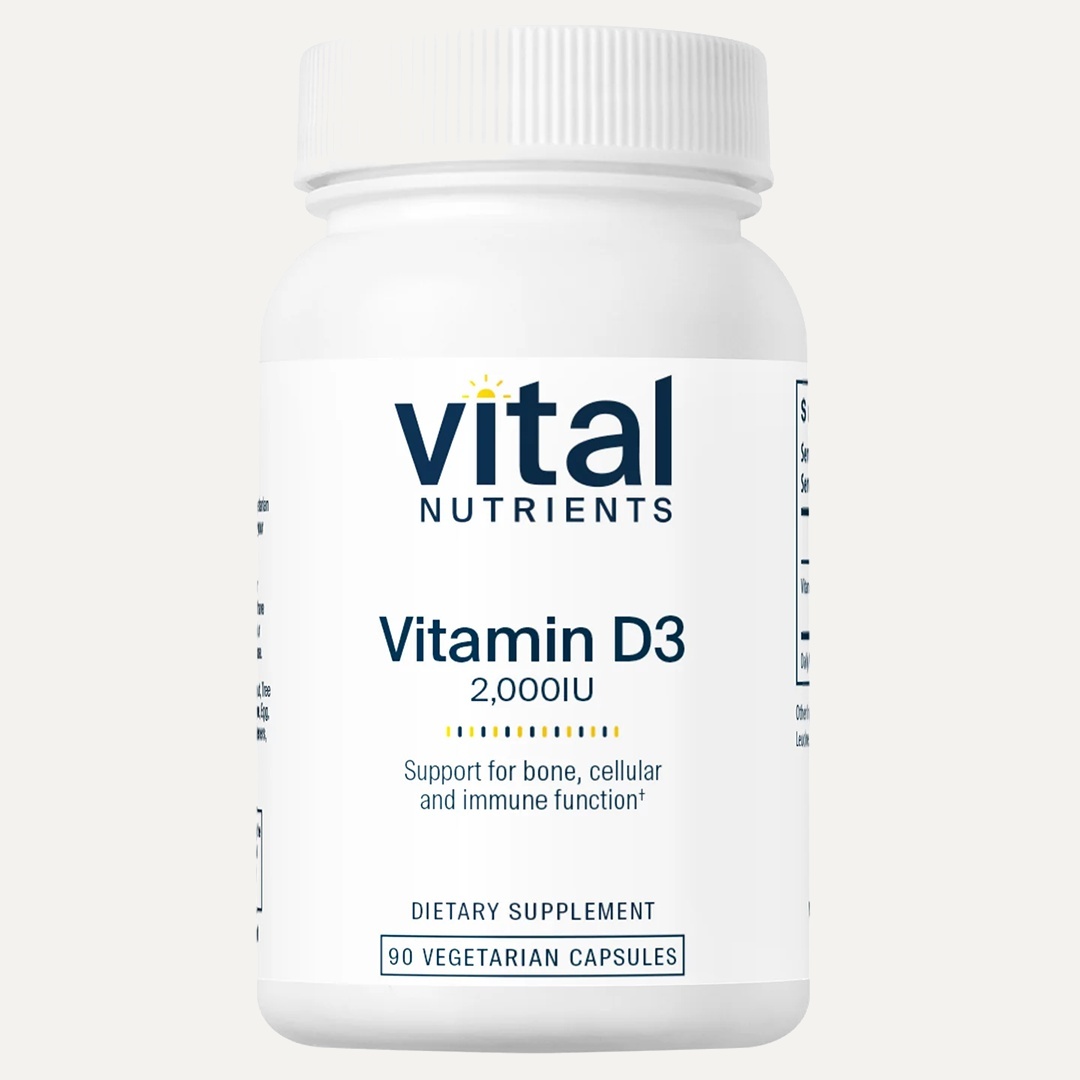
Vitamin D is a fat-soluble vitamin that the body can form through skin exposure to sunlight, but which is often insufficient in people who live at northern latitudes or spend little time outdoors. It is crucial for calcium absorption and bone health, and also plays a role in regulating the immune system and muscle function. Deficiency is common in northern climates, especially during the winter months, and occurs throughout the population regardless of age.
Magnesium
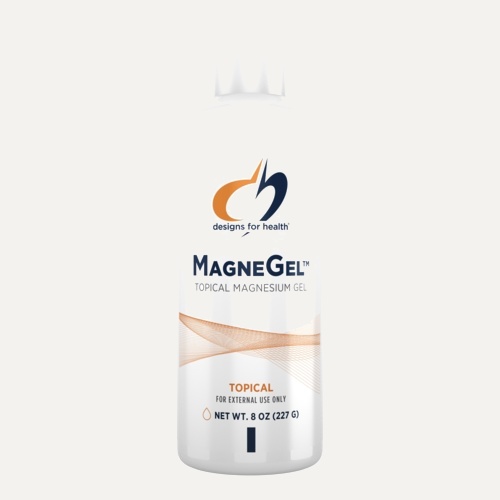
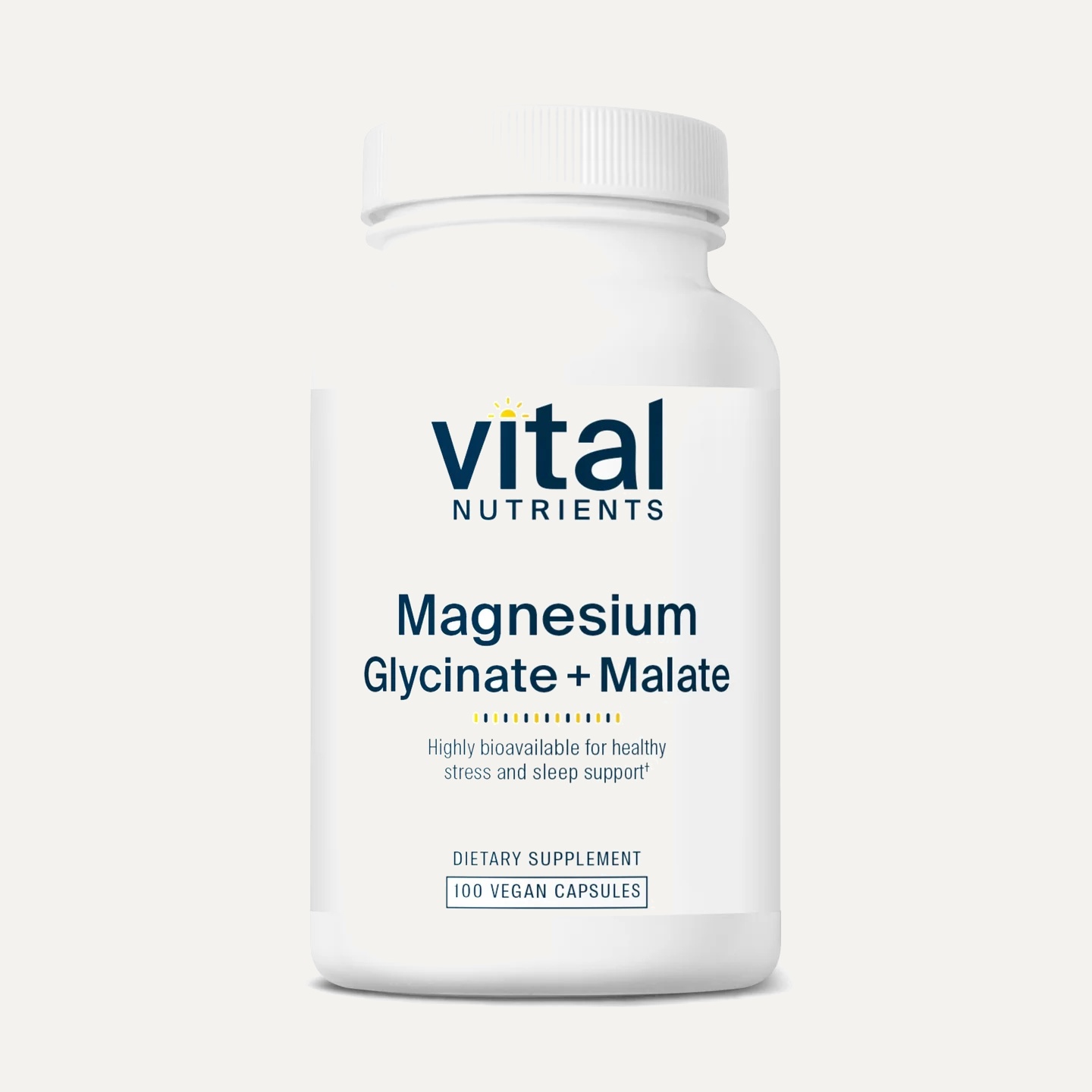
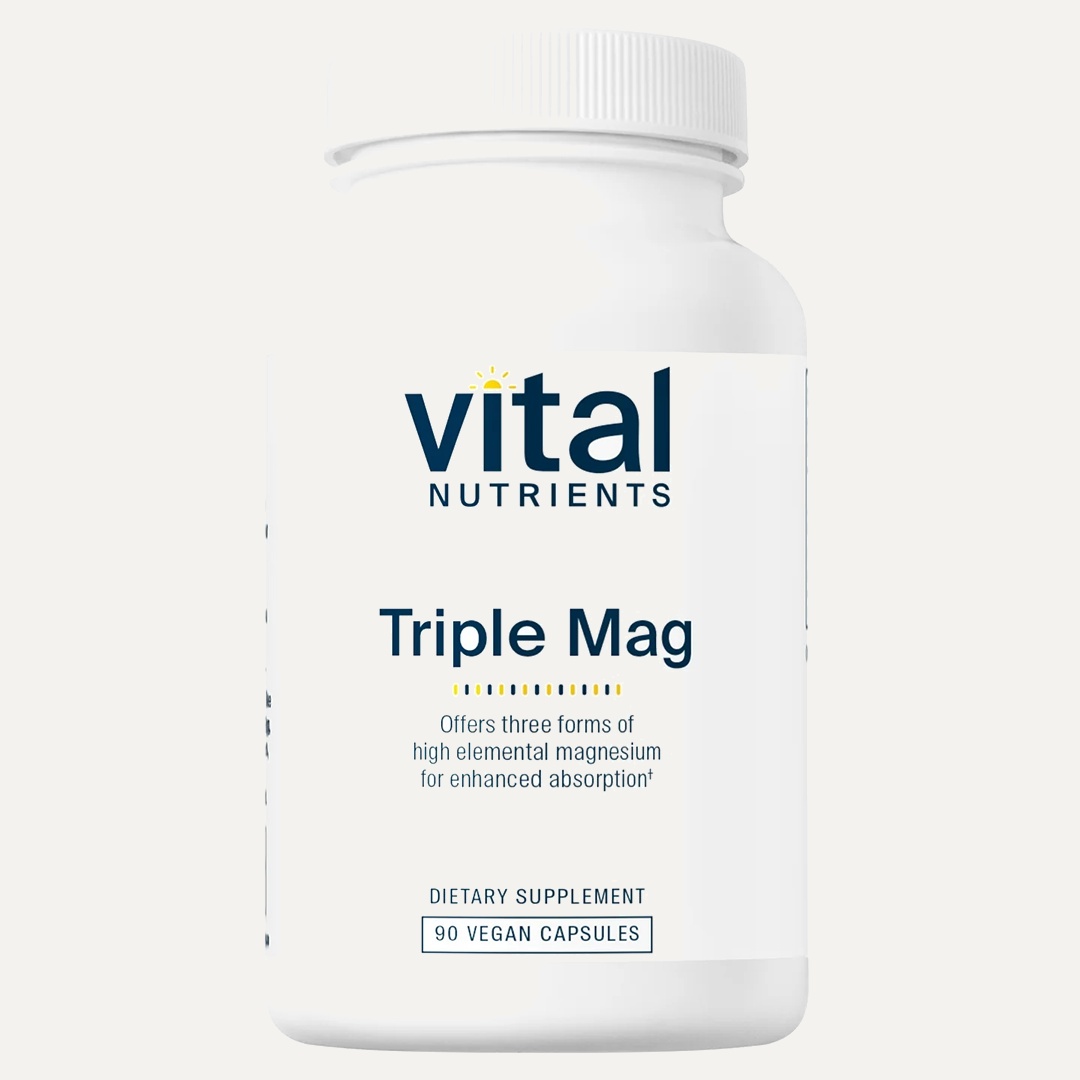
Magnesium is a mineral involved in over 300 enzymatic reactions in the body, including energy production, protein synthesis and the regulation of nerve and muscle function. It also contributes to normal psychological function and plays a role in bone health and electrolyte balance. Magnesium is found naturally in green leafy vegetables, nuts and whole grains, but intake is often lower than recommended in the population. The form of magnesium in a supplement affects its bioavailability.
Iron
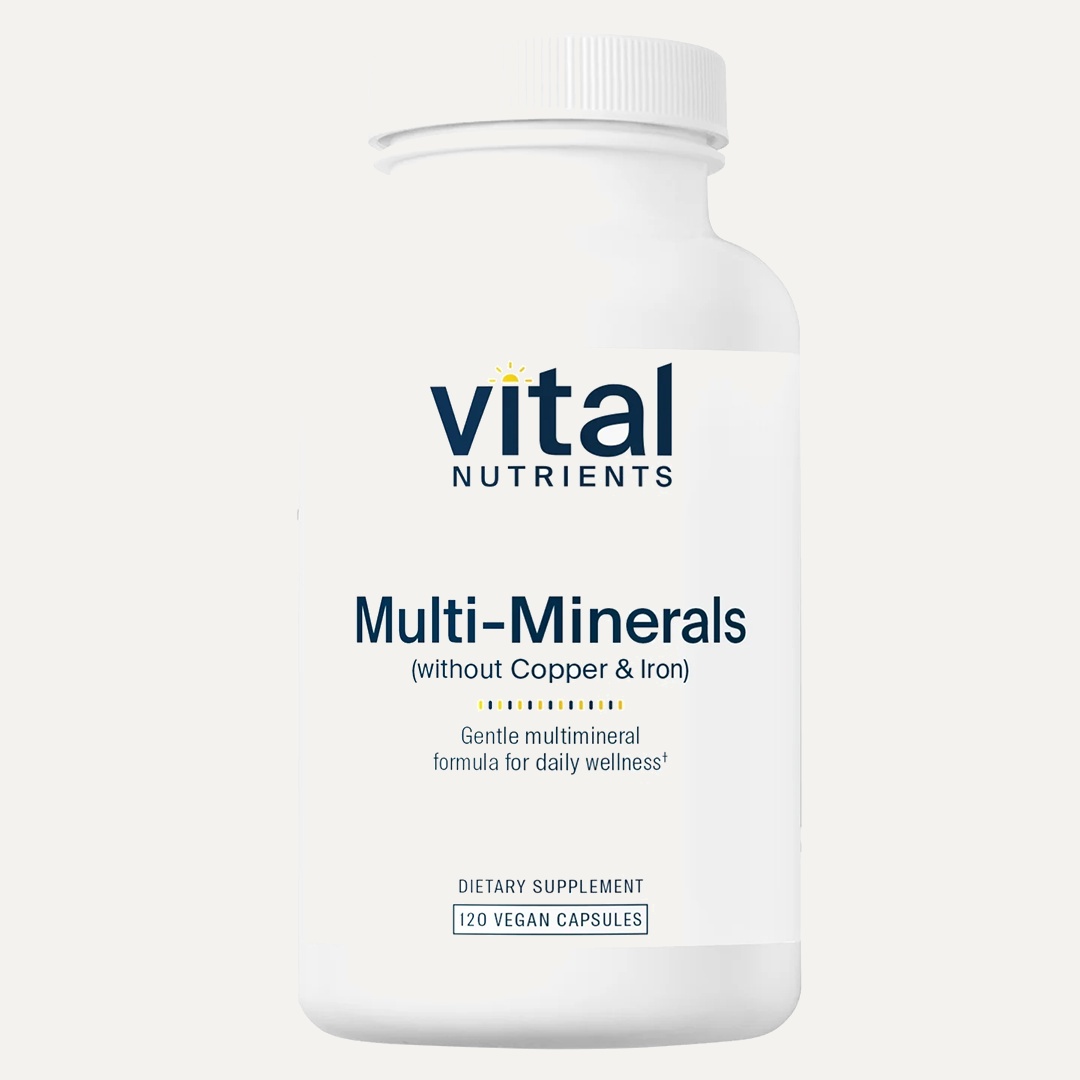
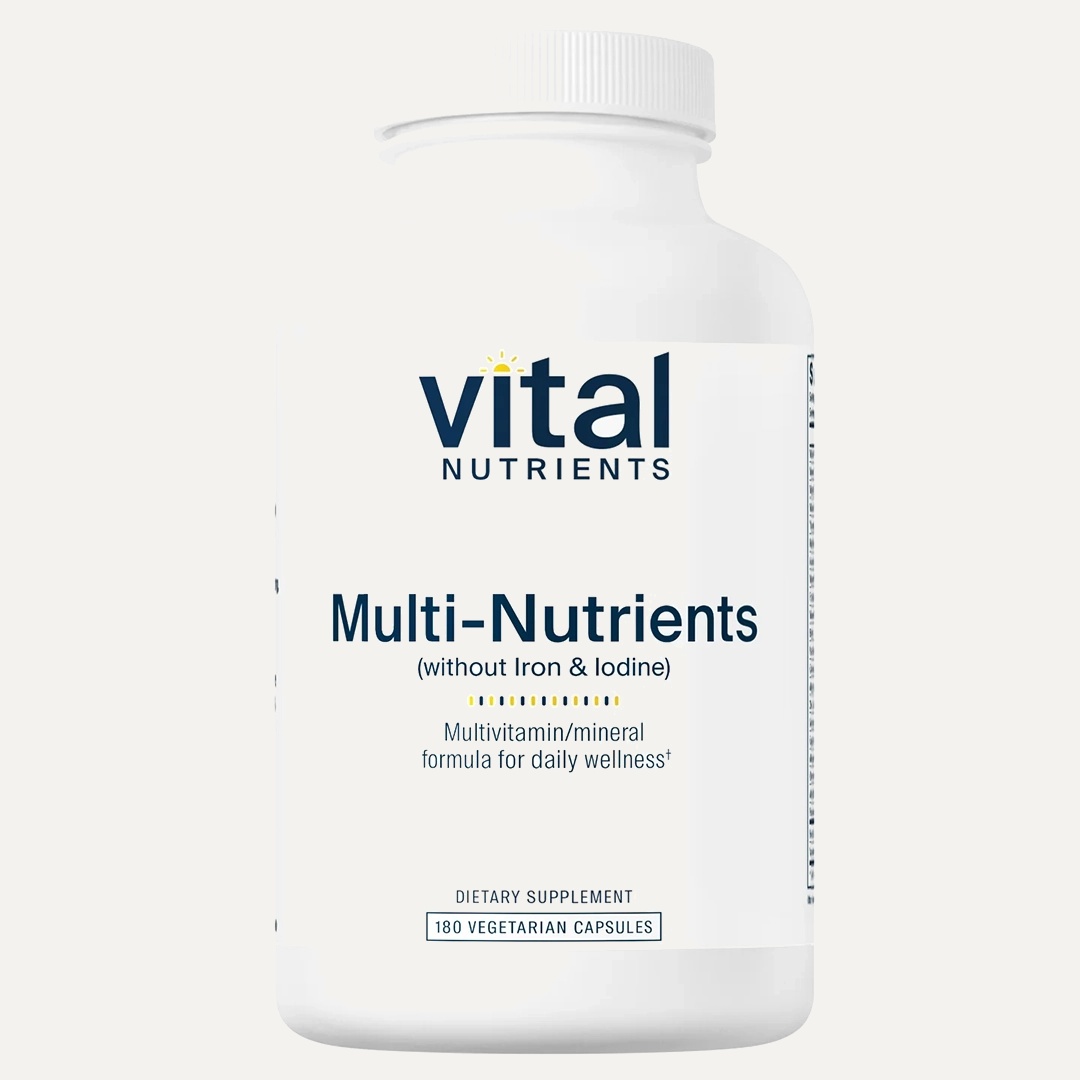
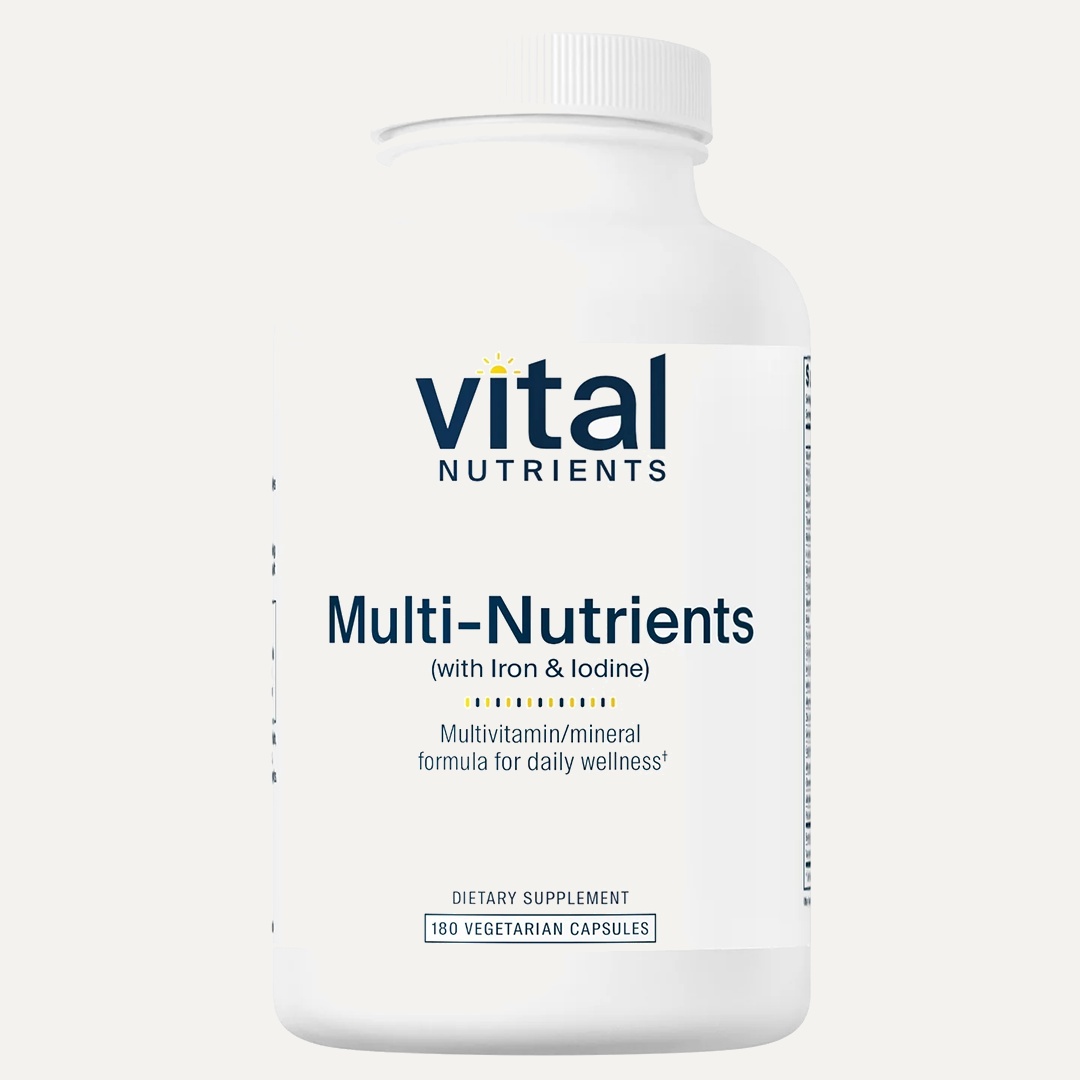
Iron is an essential trace mineral necessary for the formation of hemoglobin, the protein in red blood cells that transports oxygen around the body. It is also needed for normal energy metabolism and immune function. Iron deficiency is one of the most common nutritional deficiencies globally and occurs particularly in women of childbearing age, vegetarians and vegans, and children during growth periods. Iron from animal sources (heme iron) is absorbed more efficiently than iron from plant-based foods.
Iodine
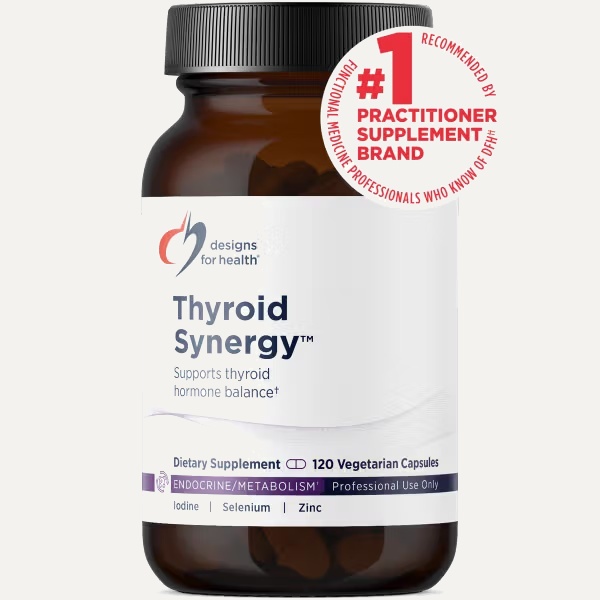
Iodine is a trace mineral indispensable for the production of thyroid hormones, which regulate metabolism, growth and organ development. The body cannot produce iodine itself and is entirely dependent on dietary intake. The main sources are shellfish, fish and dairy products. Iodine deficiency is a problem globally and can negatively affect thyroid function. The need is elevated during pregnancy and breastfeeding when hormone production increases.
Zinc
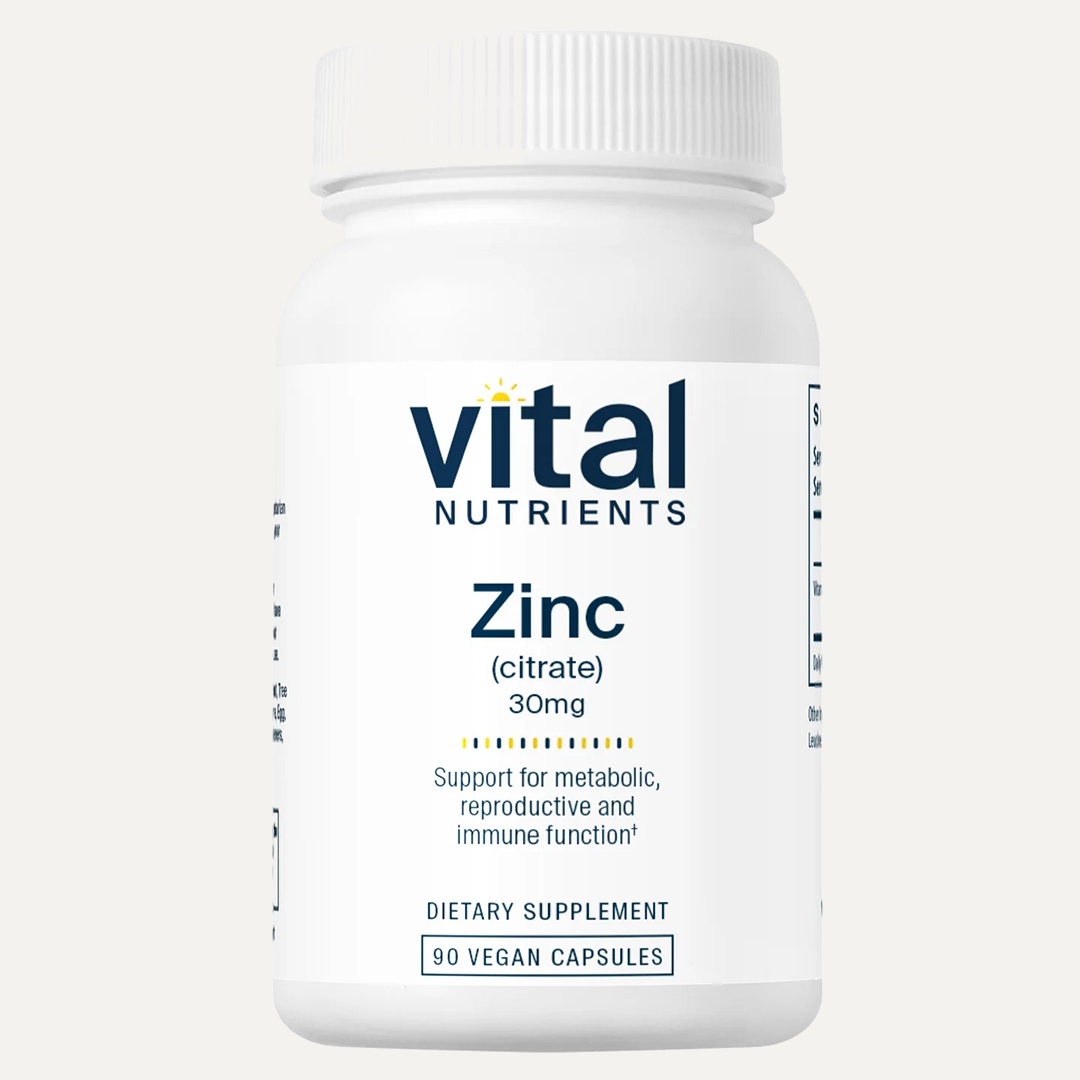
Zinc is an essential trace mineral involved in hundreds of enzymatic processes in the body. It plays an important role in immune function, wound healing, protein synthesis and cell division. Zinc also contributes to normal reproduction and fertility and to the maintenance of vision, hair and skin. Good dietary sources include meat, shellfish and legumes. Vegetarians and vegans may find it harder to meet their needs as bioavailability from plant-based sources is lower.
Vitamin C
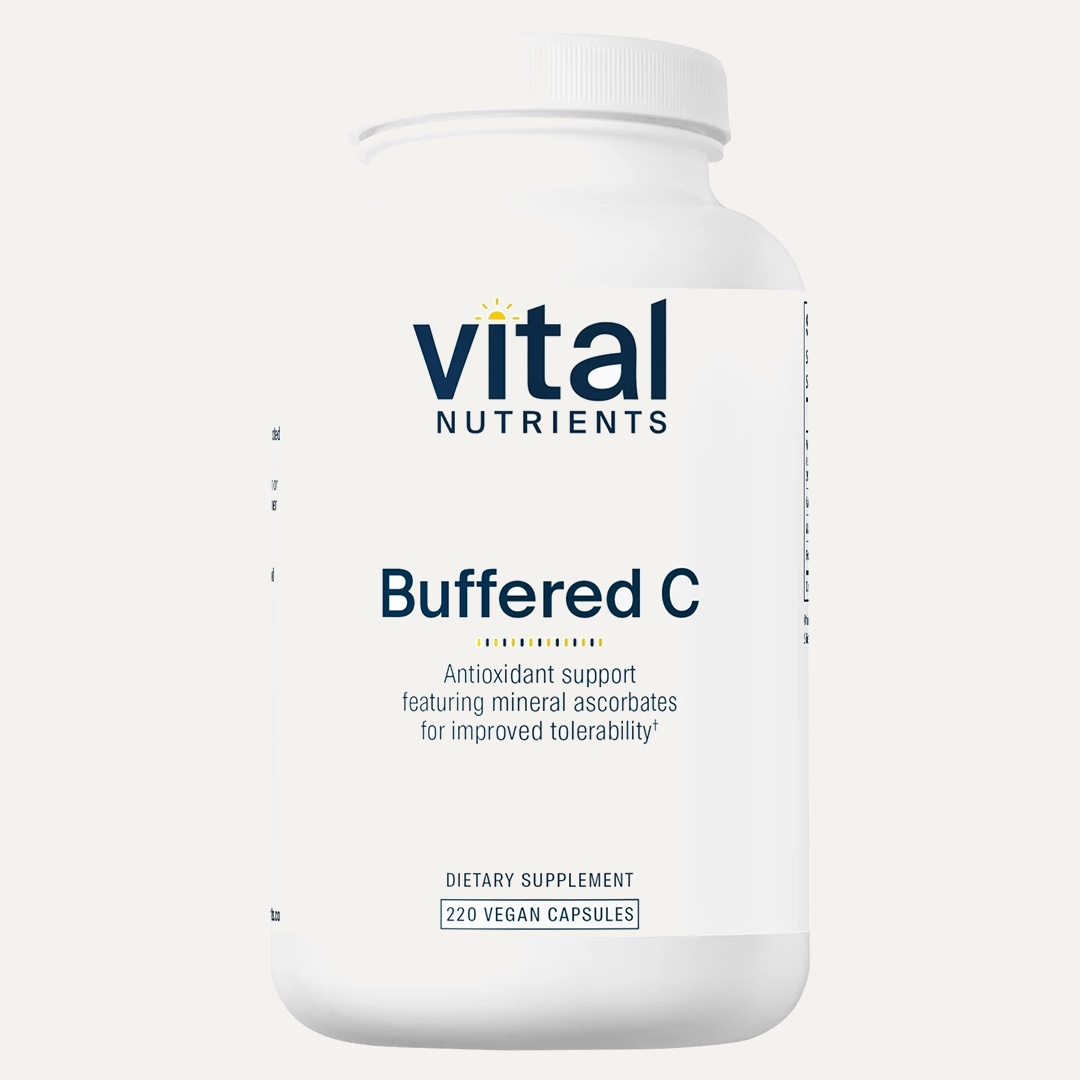
Vitamin C, or ascorbic acid, is a water-soluble vitamin with a powerful antioxidant effect. It is necessary for the formation of collagen, a structural protein in skin, blood vessels, bones and cartilage. Vitamin C also contributes to the normal function of the immune system and increases the absorption of iron from plant-based foods. Because the body cannot store or produce vitamin C, regular intake is needed. Smoking and high physical exertion can increase the requirement.
Coenzyme Q10
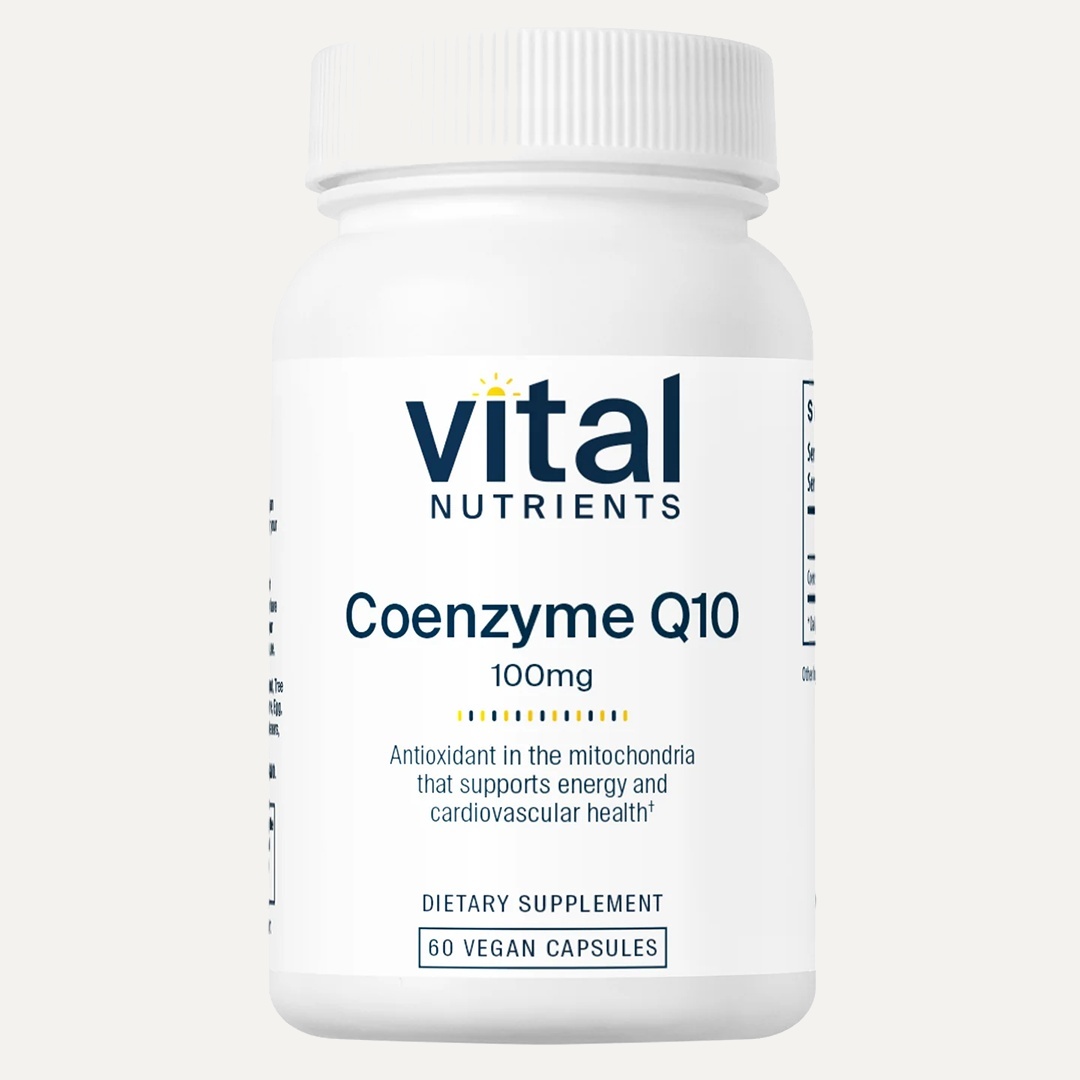
Coenzyme Q10, or CoQ10, is a substance the body produces naturally and which is found in almost all cells. It plays a key role in energy production in the mitochondria and also acts as an antioxidant that protects cells from oxidative stress. The body's own production of CoQ10 decreases with age, making supplementation more relevant for older people. Certain medications, including statins, can affect CoQ10 levels in the body.
Probiotics
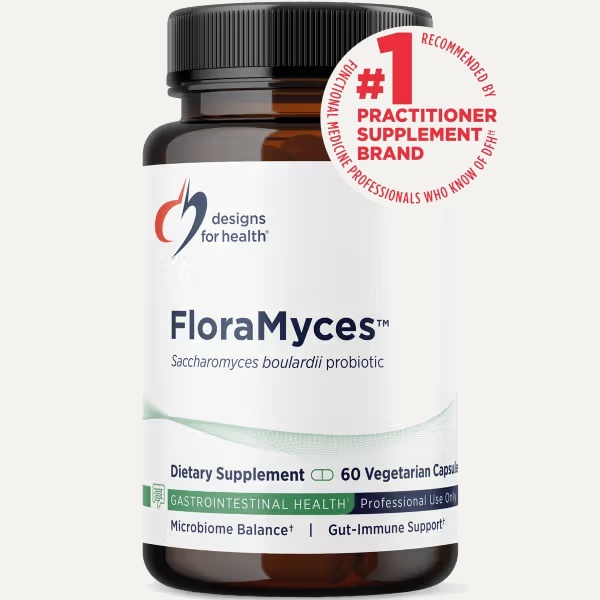
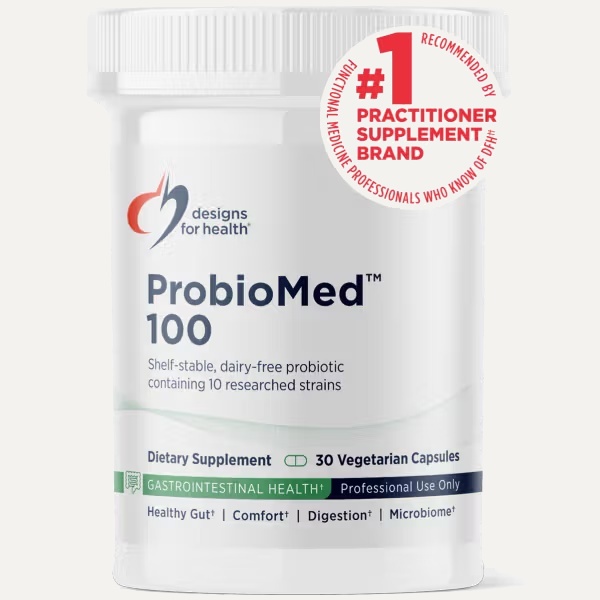
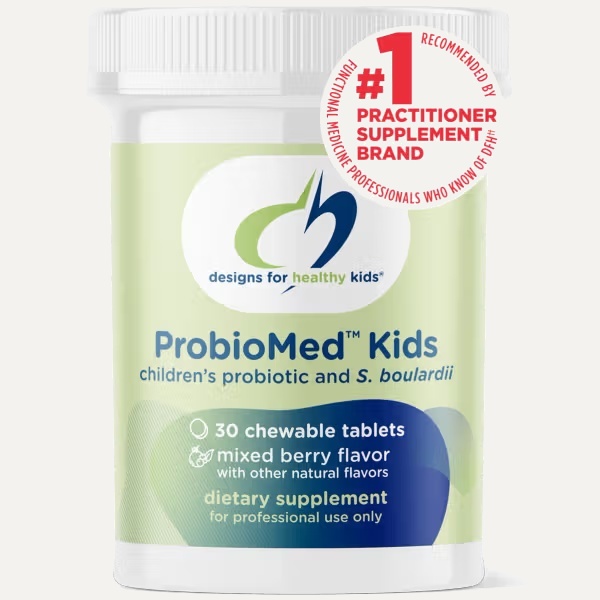
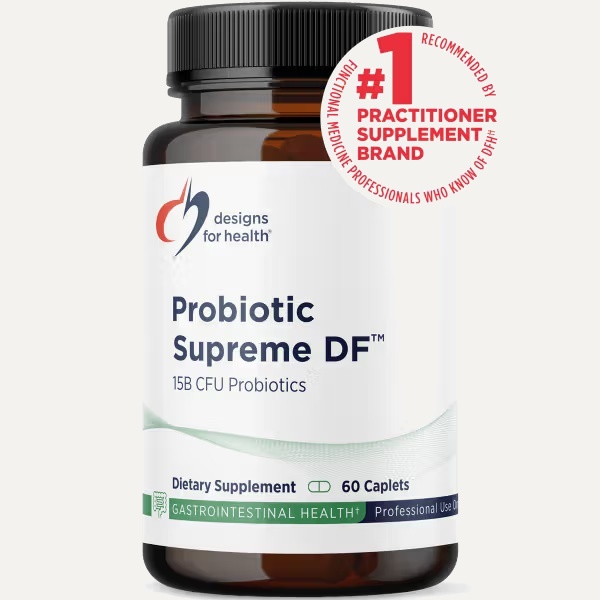
Probiotics are live microorganisms, mainly bacteria, that when consumed in sufficient amounts can have positive effects on the gut flora and gastrointestinal health. They occur naturally in fermented foods such as yogurt, kefir and sauerkraut. Different bacterial strains have different properties and effects, which is why the choice of probiotic should be matched to its purpose. The gut flora is affected by diet, medication and lifestyle, and a balanced microbiome is linked to immune function and metabolism.