Heart & Circulation
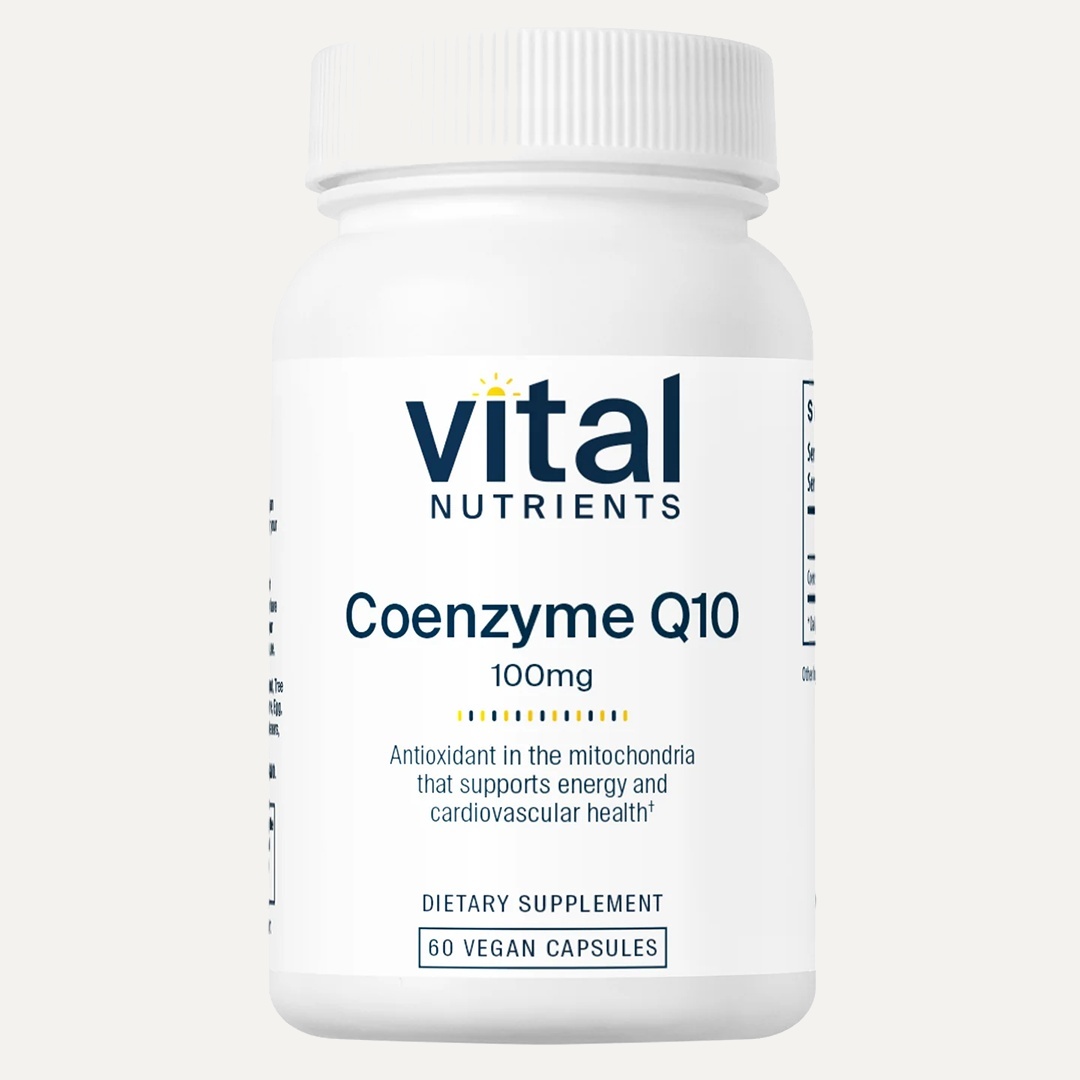
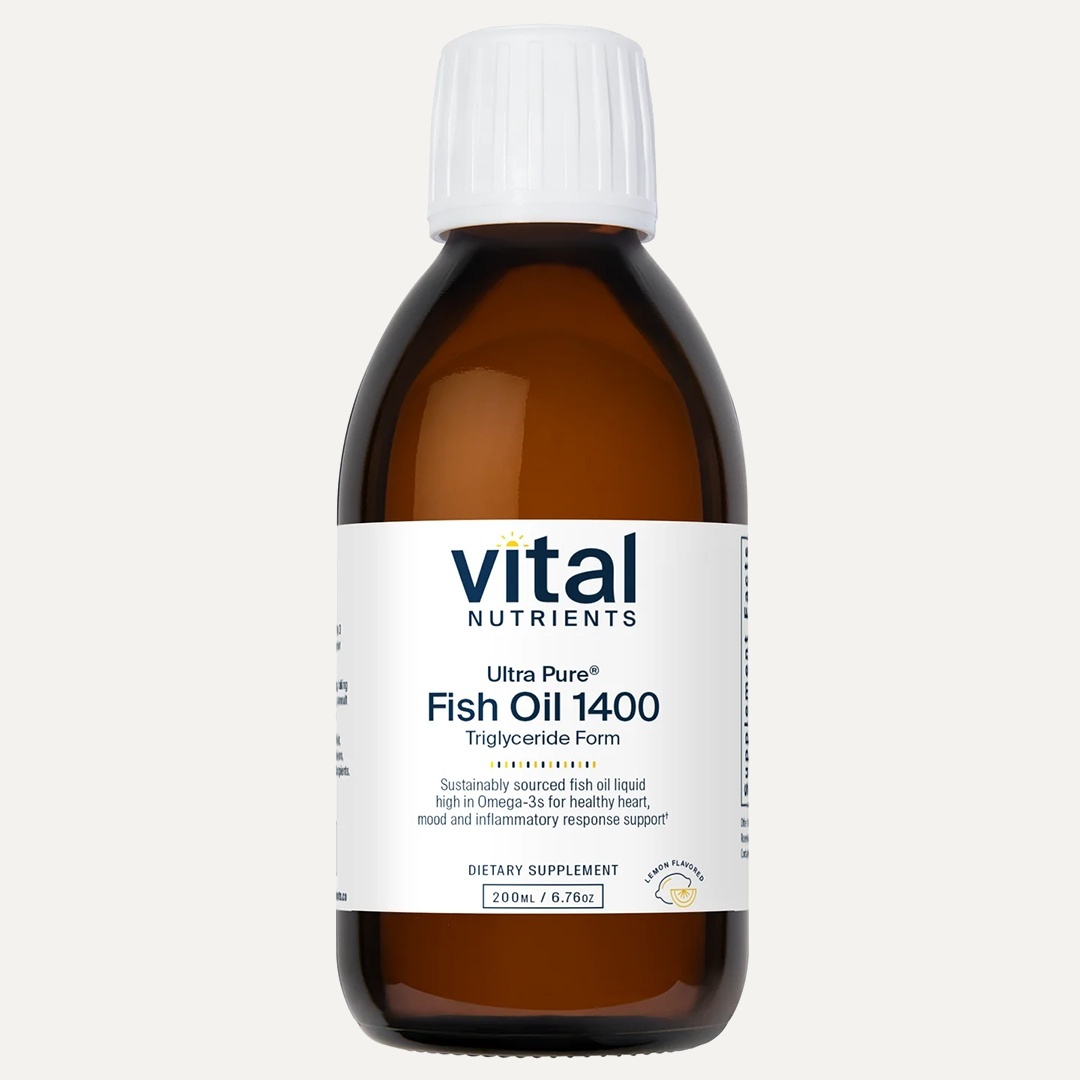
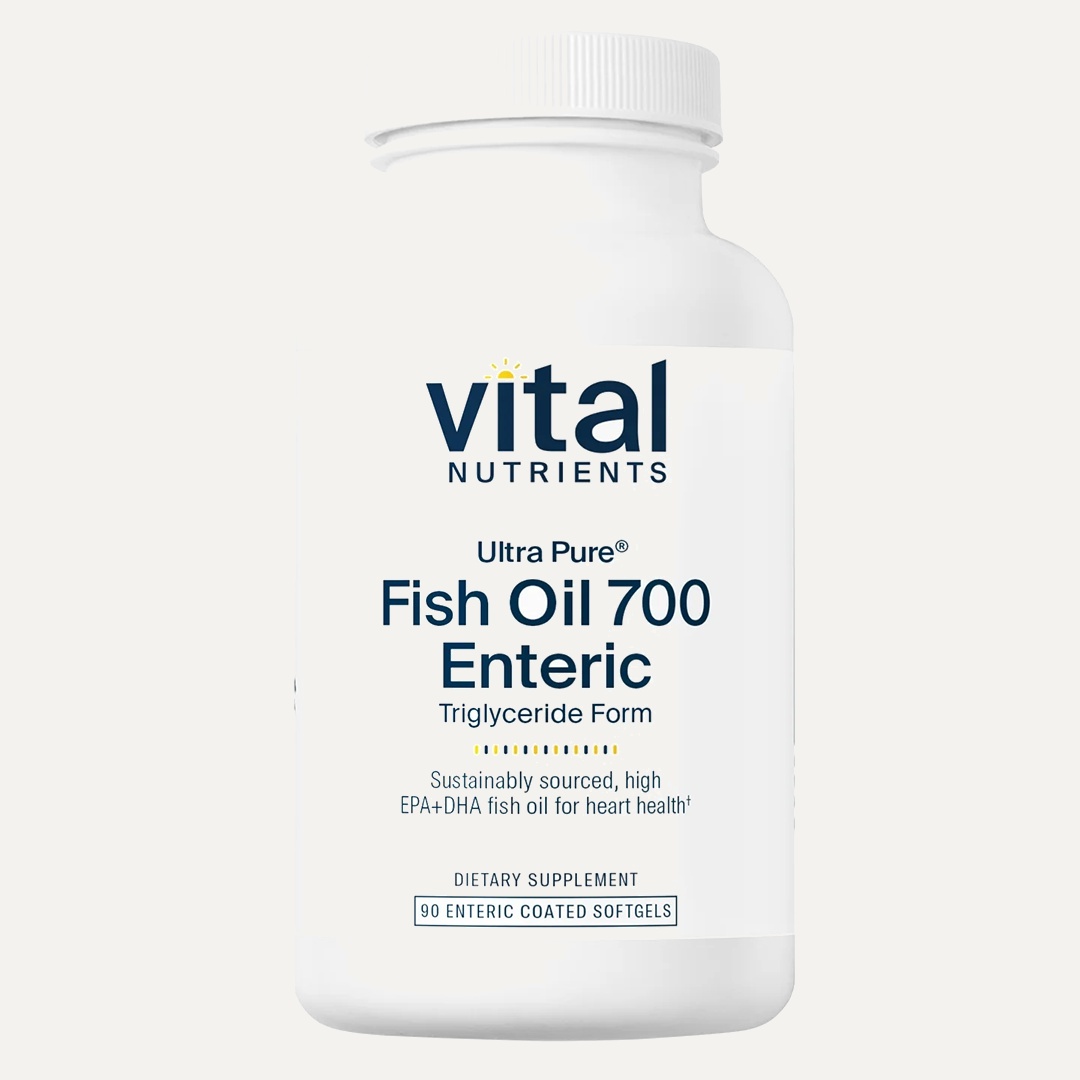
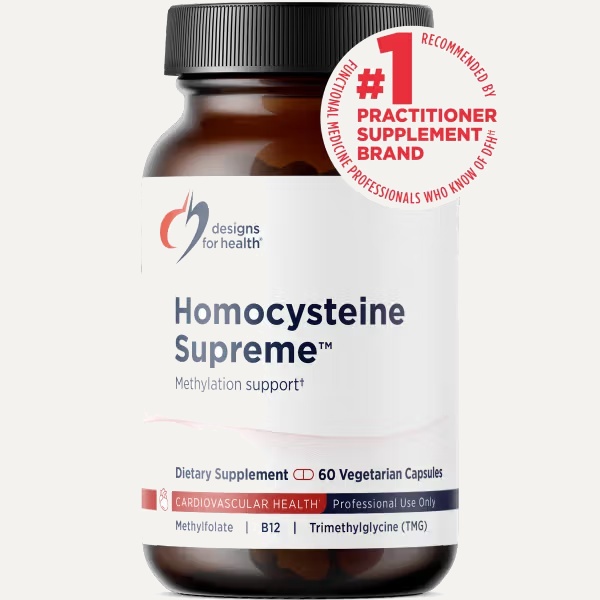
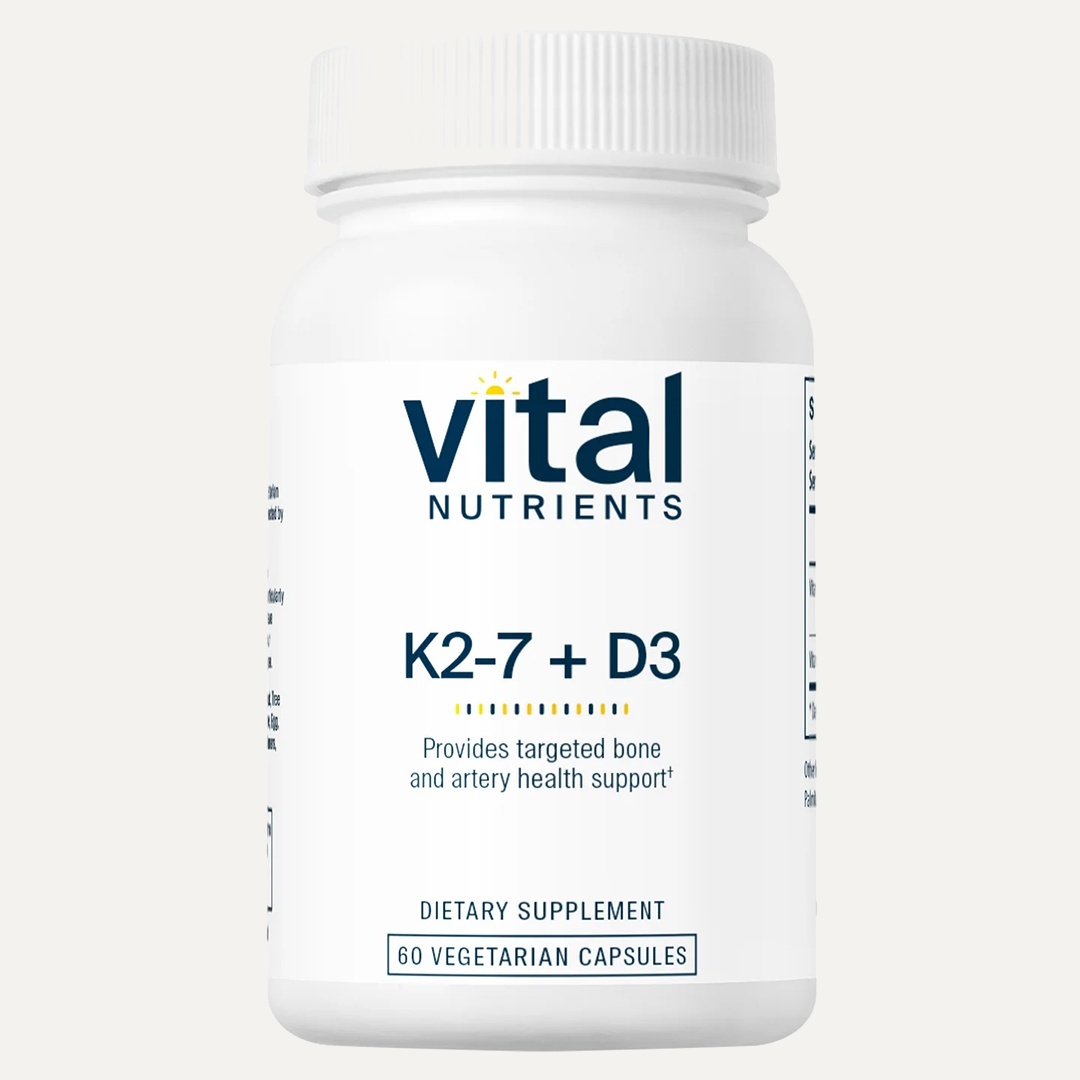
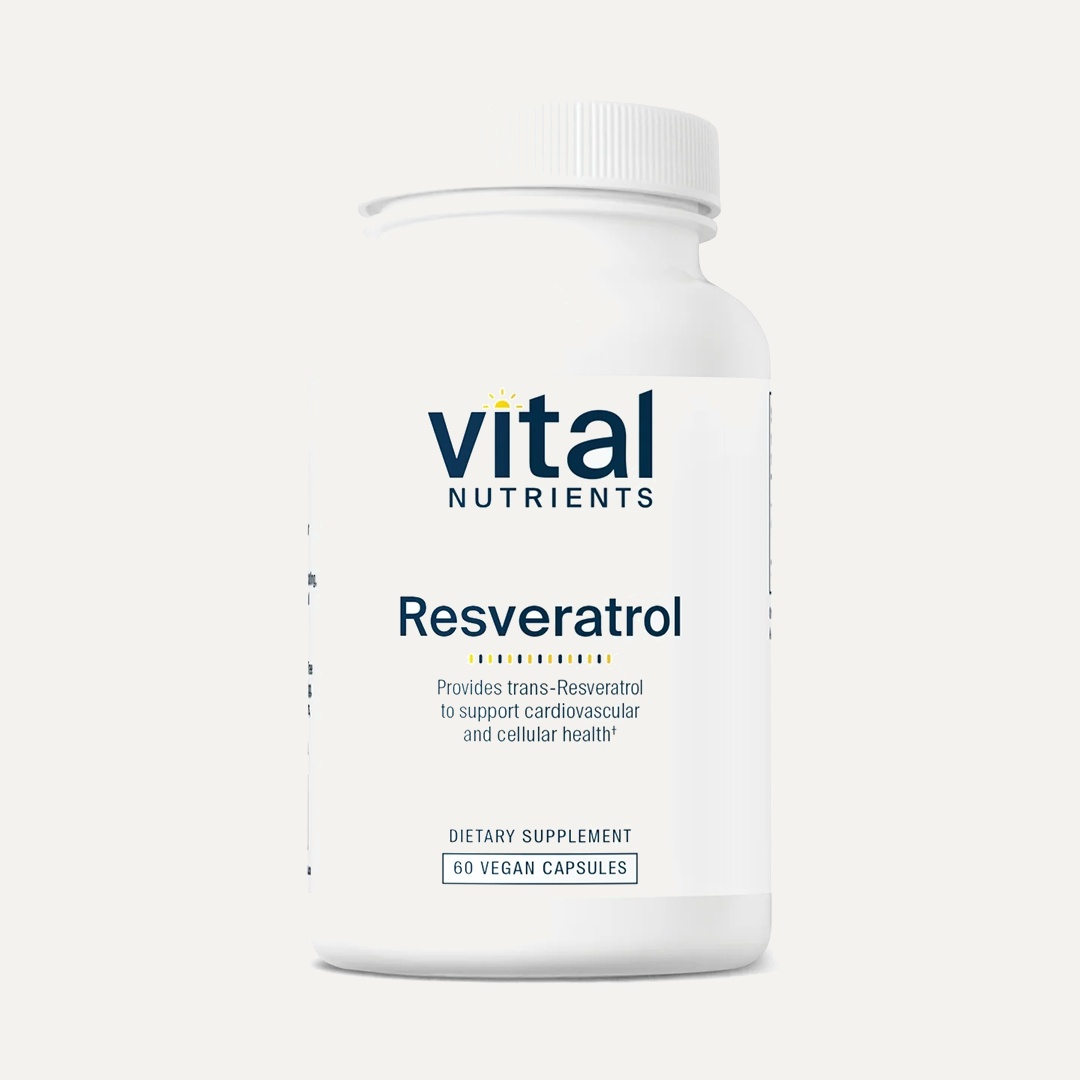
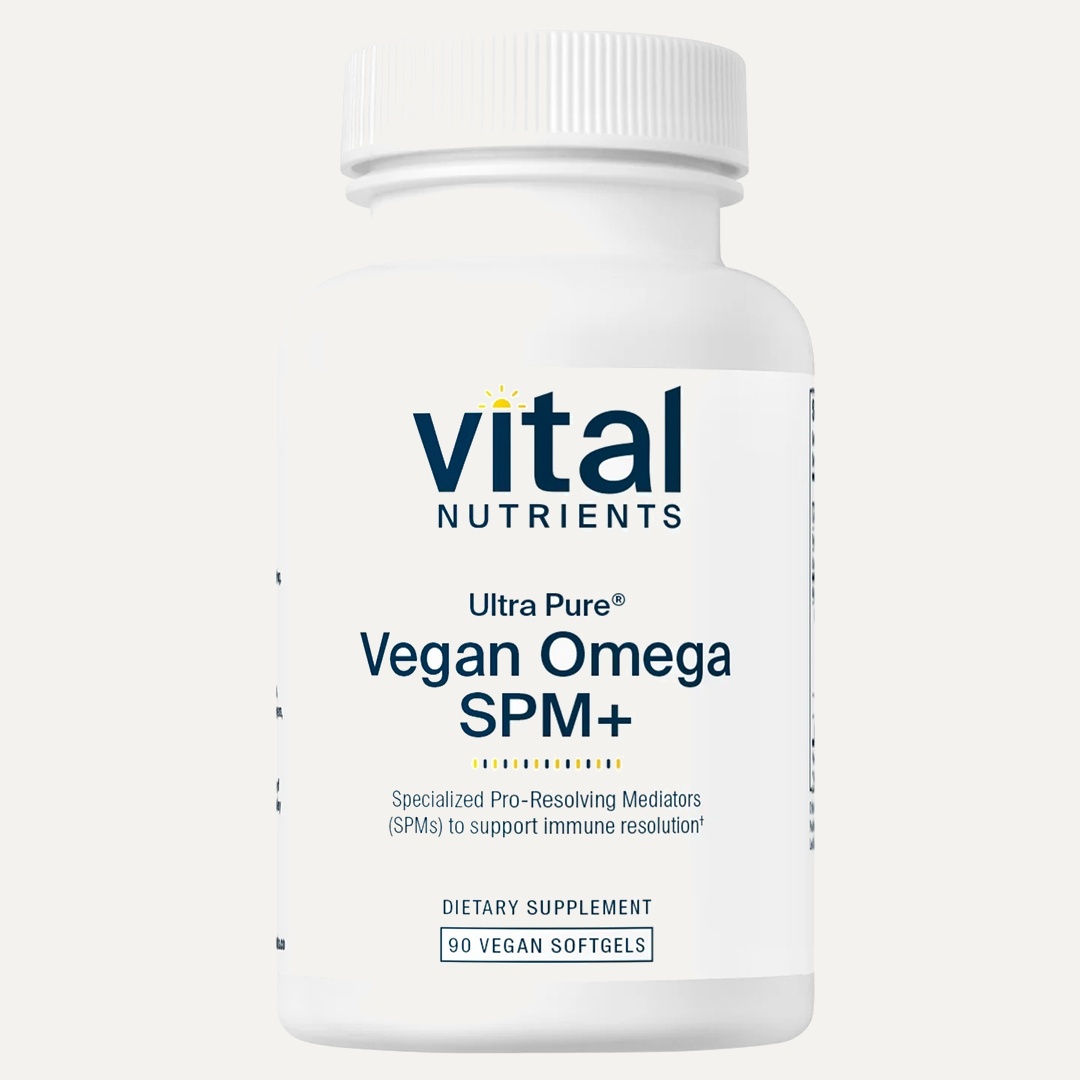
The cardiovascular system is affected by a range of nutritional factors, from the composition of fatty acids to the levels of certain antioxidants in the blood. CoQ10, omega-3 and magnesium are among the most studied substances in this area, with particular relevance for people who train hard, older adults, or those taking medications such as statins (which can lower the body's own CoQ10 levels). These supplements complement, but never replace, physician-prescribed cardiovascular treatment.
Frequently asked questions
Why does statin treatment lower CoQ10 levels?
Statins can lower the body's own CoQ10 levels because they affect the same metabolic pathway. That's why CoQ10 is often mentioned specifically for people on this type of medication — but always talk to your doctor first.
Is fatty fish enough for adequate omega-3?
Two portions of fatty fish per week covers a lot, but most people eat less than that in practice, which is why omega-3 supplements are popular as a complement.
Can heart-health supplements replace blood pressure medication?
No. They are studied as nutritional support, never as a replacement for physician-prescribed cardiovascular treatment in diagnosed disease.