Sleep, Mood & Stress
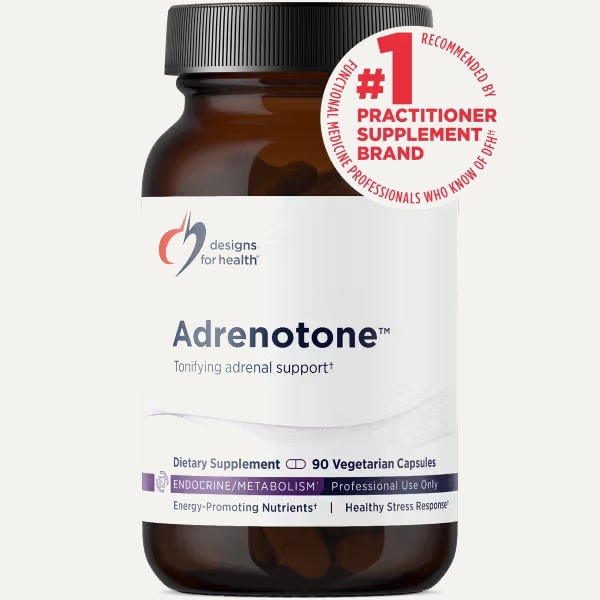
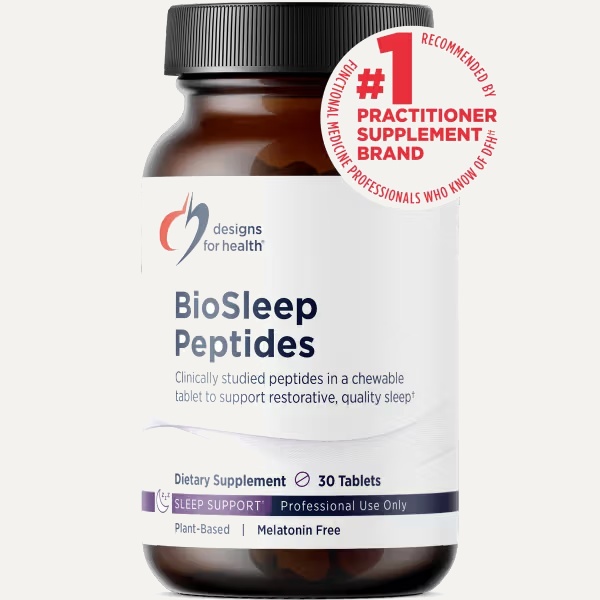
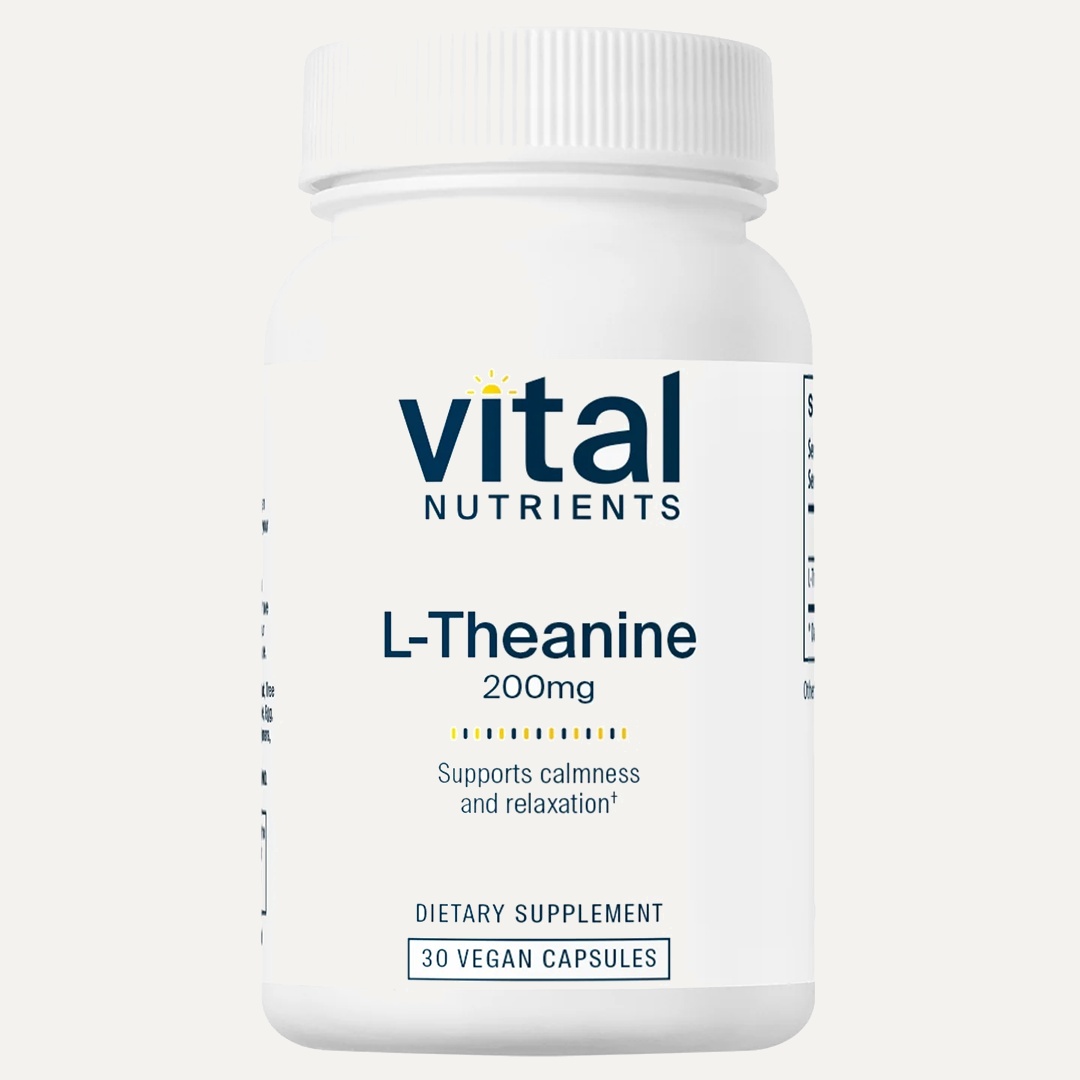
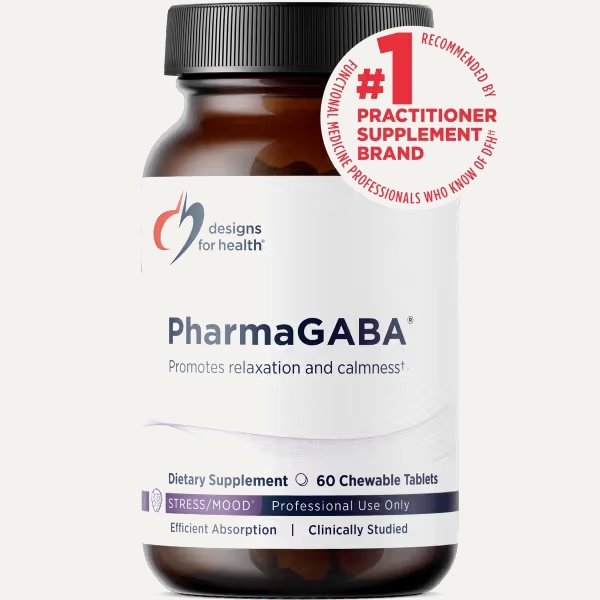
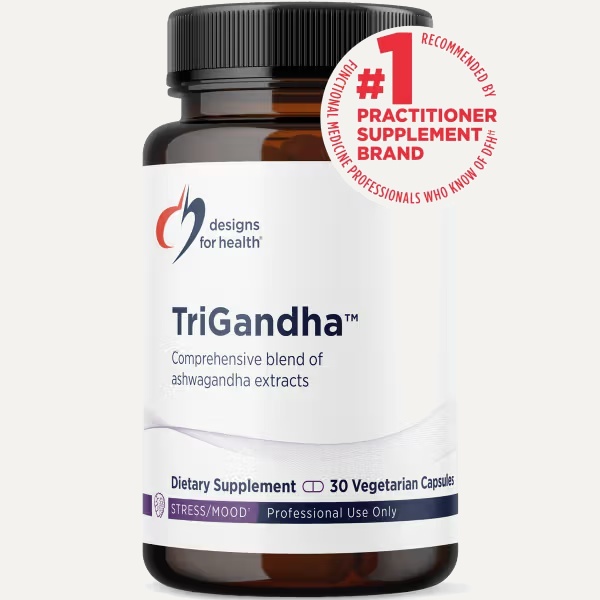
Sleep, mood and stress management are tightly linked through the body's nervous system and hormone balance. Magnesium, L-theanine, GABA and adaptogens such as ashwagandha are studied for their role in relaxation and stress-handling capacity, while certain amino acids are linked to the body's own production of mood-affecting signal substances. Relevant for those who feel everyday pace is affecting both sleep and mood.

Frequently asked questions
Is magnesium good for sleep?
Magnesium is studied for its role in normal muscle and nerve function as well as relaxation, which is why it's often mentioned in sleep contexts — particularly glycinate and malate forms.
Are adaptogens habit-forming?
No, adaptogens like ashwagandha and rhodiola are not considered habit-forming, unlike certain prescription sedatives.
Can you take L-theanine together with caffeine?
Yes, the combination is studied for smoothing out caffeine's stimulant effect and reducing the risk of jitteriness, which is why they're often mentioned together.